









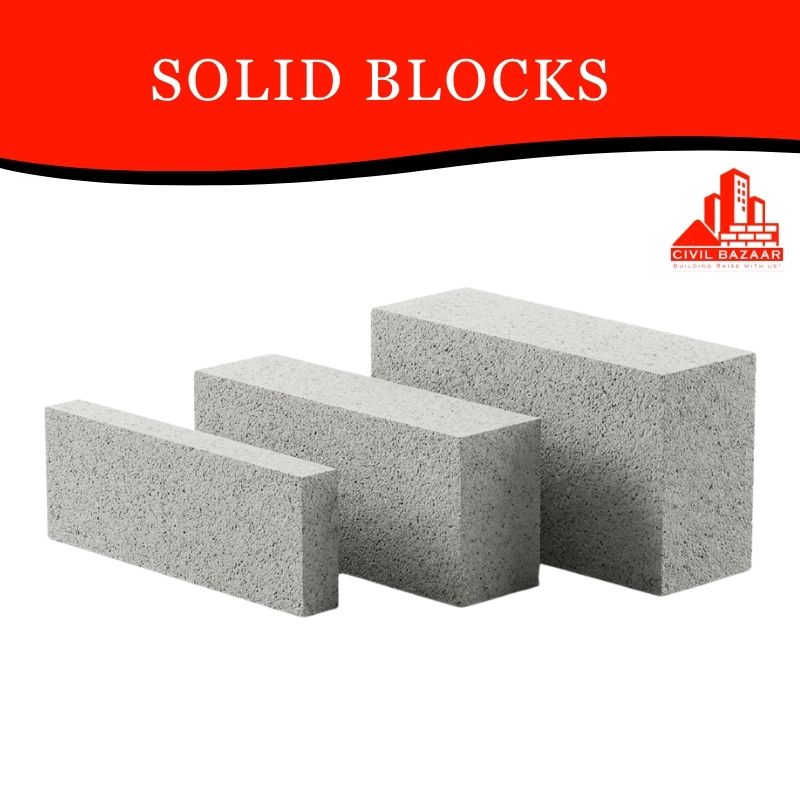


When Should You Order Building Materials? A Stage-by-Stage Checklist for Chennai Homes
Your masonry team is ready, but the blocks have not arrived. Or the opposite happens: a large delivery turns up while the site is still being prepared, leaving you to find space and move materials twice. Both problems start with an order that is disconnected from the work schedule.
Order building materials against confirmed construction stages, approved specifications and supplier lead times—not simply because a rate looks attractive. A construction material procurement schedule records what you need, when the site needs it, when to place the order and who will receive it.
For a Chennai home build, the aim is to keep upcoming work supplied without accepting more material than the site can properly receive and store. Our building materials supply team in Chennai can discuss your material list and proposed delivery stages once your project team has confirmed the requirements.
Table of contents
What is a construction material procurement schedule?
It is a practical ordering plan linked to your construction programme. Instead of one long shopping list, it separates materials by the work they support and gives each item an owner and a required-on-site date.
A useful schedule includes the material specification, quantity, existing usable stock, quantity still needed, supplier lead time, order-by date, delivery date and receiving contact. It should change when the work programme changes.
The sequence below is a purchasing framework, not a construction method or a universal timeline. Your engineer and contractor must decide the actual work sequence, quantities and technical specifications for your home.
Before ordering: confirm these five inputs
- The latest drawings and material specifications approved for the relevant work.
- A checked quantity list or bill of quantities, with the unit clearly stated.
- The next construction activities that are genuinely ready to proceed.
- Available receiving space, vehicle access and suitable storage.
- A supplier-confirmed lead time and the conditions under which the quotation is valid.
If a specification is still undecided, make an availability enquiry first. Do not turn a provisional option into a confirmed purchase without the responsible person approving it.
Stage-by-stage material ordering checklist
| Project stage | What to plan with your project team | When to confirm the order |
|---|---|---|
| Site preparation and foundation work | Materials specified for that stage, access arrangements and the receiving area | After the relevant design and quantities are confirmed, allowing the supplier’s stated lead time |
| Structural work | Reinforcement, concrete supply or approved ingredients, formwork and supporting items | Against the confirmed work programme and site readiness |
| Walling and partitions | Approved brick or block type, dimensions, quantity and compatible mortar or adhesive | Once wall layouts and specifications are settled and the site team confirms the delivery stage |
| Services and plastering | Required plumbing/electrical items and the specified plastering materials | After coordination of the relevant drawings and tasks |
| Finishing work | Approved finishes, measured quantities and any made-to-order items | After selection and measurements are confirmed, allowing the lead time for each item |
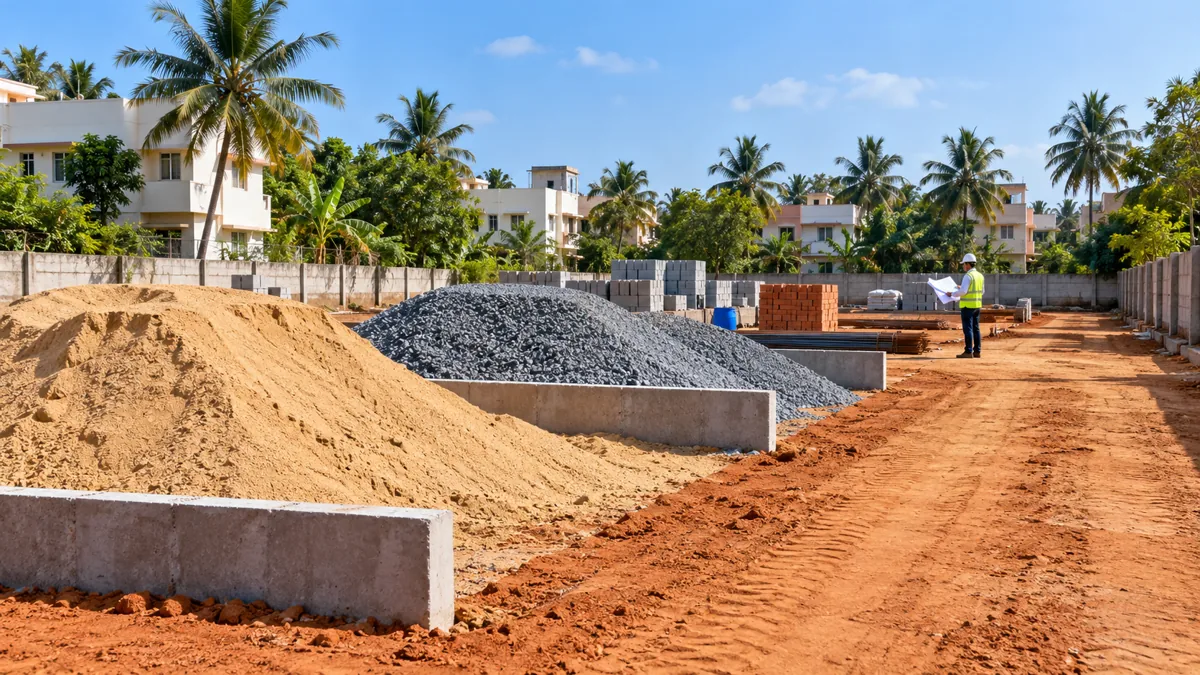
1. Prepare the site before bringing in the first load
Start by agreeing where the delivery vehicle will stop, how materials will be unloaded and where each material will be kept. Share the actual site address and access details with the supplier. A delivery date is only useful if somebody can receive the load on that date.
For foundation-stage requirements, use the quantities and specifications supplied by your project team. Do not order structural materials from a generic per-square-foot estimate alone. A change to the design or ground conditions may change the purchase requirement.
If sand and aggregates are included in the approved list, make separate enquiries for the specified M-sand and blue metal aggregates. Confirm their units and proposed delivery arrangements.
2. Coordinate structural-stage purchases with the contractor
Ask the contractor which activities are ready, which checks remain outstanding and what must be on site before the planned work begins. Confirm whether concrete will be supplied ready-mixed or whether approved ingredients need to be procured separately; do not assume both arrangements apply.
Keep related orders coordinated. Having one material arrive early does not help if another essential item is still unconfirmed. Ask the contractor to identify dependencies and update the order plan before you authorise dispatch.
For safety and quality, the engineer’s specifications and site approvals take priority over a supplier’s alternative suggestion or a delivery convenience.
3. Confirm the walling material before ordering bricks or blocks
Finalise the wall layout, material type, dimensions and required grade before booking the main walling order. Ask your engineer or estimator to check quantities and any allowance for the particular work. There is no single allowance that is right for every project.
If you are still choosing the material, read our comparison of AAC blocks, red bricks and fly ash bricks, then get the selected specification approved. You can also review our AAC block options when preparing the enquiry.
Agree whether the site needs the full quantity together or deliveries by floor, zone or work stage. Check that the planned receiving area remains accessible as construction progresses.

4. Check service work before scheduling plastering materials
Coordinate with the contractor before ordering the next batch of plastering materials. The relevant service work, layout decisions and preparation tasks need to fit the work programme so materials do not arrive for an activity that is still on hold.
Ask the project team to specify the product or mix requirements and confirm the correct sand or other materials for the intended application. A sand product used for one task should not automatically be substituted for another.
Our M-sand buying guide provides questions to ask about grades and units. Use it to prepare your enquiry, while keeping the technical choice with your engineer.
5. Plan finishing purchases around approved selections
Finishing materials can involve separate decisions, measurements and suppliers. Ask for the actual lead time for each selected item instead of assuming it will be available immediately. Where an item is made to order, establish which measurements or approvals the supplier needs before production can begin.
This is part of the overall home-building schedule; it does not mean every finishing product is supplied by Civil Bazaar. Keep each supplier’s scope clear and avoid booking delivery before the site can safely receive the item.
How far in advance should you place an order?
Work backwards from the date your contractor needs the material on site. Ask the supplier how much time is needed after order confirmation, and allow a project-appropriate margin for coordination and receiving checks.
Order-by date = required-on-site date minus confirmed supplier lead time minus your agreed coordination buffer.
For illustration only: if a material is needed on Friday, the supplier has confirmed two working days from order acceptance, and your team allows one extra working day for coordination, you would plan to confirm the order by Tuesday—assuming there are no intervening holidays and the supplier confirms that timing. This is a planning example, not a Civil Bazaar delivery promise.
Recheck the calculation if availability, working days, payment clearance or the construction date changes. A quotation and an informal availability conversation are not the same as a confirmed dispatch booking.
Do not buy ahead of your storage capacity
Before increasing an order to obtain a bulk rate, ask whether the extra quantity can be stored appropriately until it is needed. Include handling and storage considerations in the decision, not just the item price.
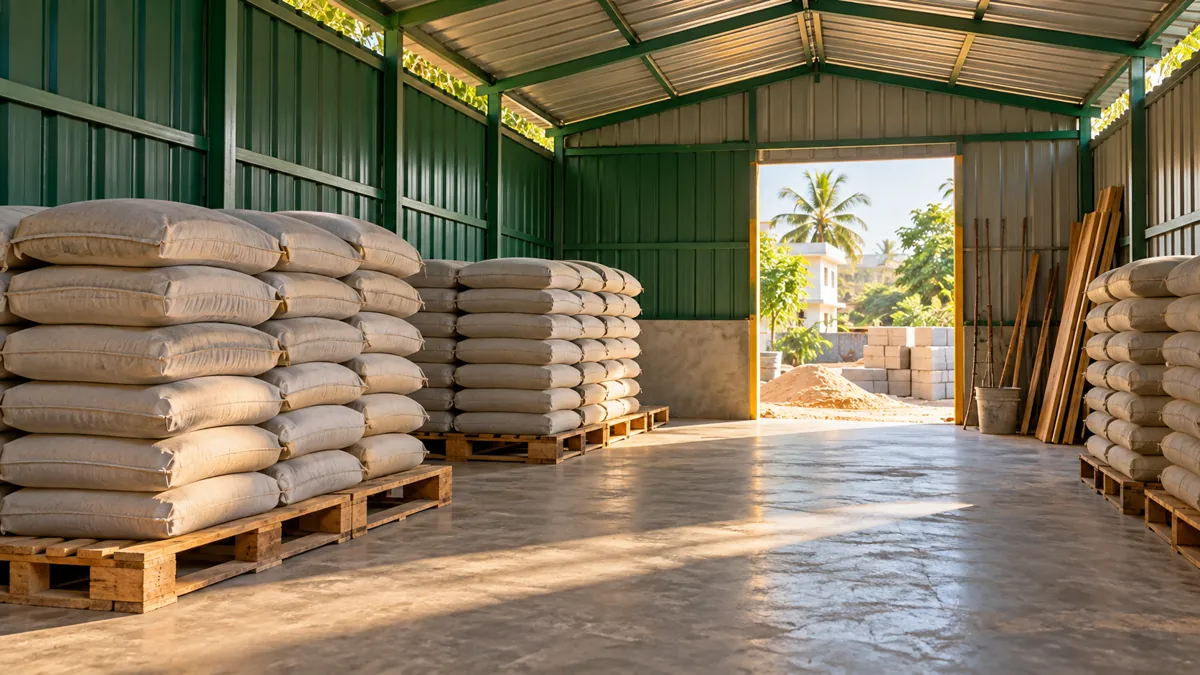
For cement specifically, UltraTech’s cement storage guidance notes that improper storage can affect quality. Follow the manufacturer’s instructions for the actual product and site conditions, and have your site team assess the storage arrangement.
Keep different materials identifiable and arrange stock so the site team can inspect and count it. During wet weather or a programme delay, review the suitability of storage before accepting another delivery.
Construction material procurement schedule: a template you can copy
Use one row per material specification and delivery stage. The examples below show how to organise the sheet; they are not quantity estimates.
| Material / stage | Quantity to order | Needed on site | Lead time / order-by date | Responsible person |
|---|---|---|---|---|
| Specified sand for next approved activity | Confirmed requirement less usable stock | Contractor-confirmed date | Supplier-confirmed lead time; calculate order-by date | Named buyer and site receiver |
| Specified brick or block for walling stage | Checked quantity for the agreed phase | Confirmed walling-stage date | Confirm availability and transport arrangement | Named buyer and site receiver |
| Specified plastering material | Approved requirement for the next work area | Confirmed preparation-complete date | Reconfirm before placing the order | Named buyer and site receiver |
Add columns for order status, expected delivery, quantity received and any discrepancy. Useful status labels are: specification pending, enquiry sent, quote received, approved, ordered, dispatch confirmed and received. These prevent a price enquiry from being mistaken for an order.
Review your construction material procurement schedule before every order
- Ask what work is actually starting next, rather than relying on the original target date.
- Count usable stock before ordering a top-up.
- Confirm that the specification and required quantity have not changed.
- Check the receiving area, access and unloading arrangements.
- Reconfirm availability, price validity and delivery terms.
- Notify the supplier promptly if work is postponed.
For deciding between one large purchase and smaller orders, compare the trade-offs in our wholesale versus retail pricing guide. The lowest unit rate does not automatically produce the best purchasing plan for a small site.

Frequently asked questions
Should I buy all building materials before construction starts?
Not automatically. Confirm the design and stage requirements first, then consider supplier lead times, storage capacity and delivery arrangements. Some items may require early booking, while others may be better delivered nearer their planned use.
Can I use a standard shopping list for a 1,000 sq ft house?
A general list can help you identify categories to discuss, but it cannot confirm your quantities or specifications. Use the project drawings and a checked material schedule for actual orders.
Who should prepare the material ordering schedule?
The homeowner or buyer can maintain the sheet, but the engineer, estimator and contractor should provide or confirm the specifications, quantities and construction dates relevant to their roles.
Should I place separate orders for each construction stage?
Consider stage-wise quantities and ask the supplier how they affect availability, pricing and transport. Whether to use one purchase arrangement or separate orders depends on the agreed terms and the project programme.
What if the contractor postpones the next stage?
Tell the supplier before dispatch and ask what changes are possible under the agreed terms. Update the schedule, receiving plan and any revised dates in writing.
Can Civil Bazaar help with phased material supply enquiries?
Send the material specification, quantity for each stage, site address and proposed dates. Ask the team to confirm availability, delivery options and the quotation for your actual requirements.
Share your next-stage material list with Civil Bazaar
Ready to plan the next order? Send your approved requirements to our building materials supplier team in Chennai. Include the quantity and unit, site location, needed-on-site date and any access restrictions so the supply arrangement can be discussed clearly.
Use the contact form, send your material schedule on WhatsApp, or call +91 91599 91590. Confirm stock, charges and delivery timing before booking.


