





Wholesale vs Retail Building Material Pricing in Chennai: What Actually Changes
Just buy wholesale, it’s cheaper” is the kind of advice that sounds obviously true and turns out to be more complicated the moment you actually try to do it. Wholesale pricing on building materials in Chennai is real — but it comes with minimum order quantities most individual homeowners can’t hit alone, tax implications that don’t help everyone equally, and trade-offs in flexibility that retail buyers don’t have to think about.
This guide breaks down what genuinely changes between wholesale and retail building material pricing in Chennai — the real discount numbers, the GST mechanics that quietly favour one side, and how to figure out which one actually fits your project.
Key Takeaways
- Bulk discounts on building materials in Chennai are real but material-specific — AAC blocks typically run 10–18% cheaper at 2,000+ pieces, bricks around 5% at 10,000+ pieces, and steel/roofing sheets 10–20% above 10 metric tonnes.
- Retail prices for some materials run 20–40% above wholesale rates for the equivalent product (roofing steel is a documented example) — but the gap varies significantly by material category.
- GST treatment differs by material and buyer type: cement sits at 18%, bricks and fly-ash-based AAC blocks at 12% (or 6% without input tax credit) — and only GST-registered buyers passing through Input Tax Credit actually benefit from the lower net cost.
- Minimum order quantities are the real barrier to wholesale pricing for most homeowners — you typically need 500+ AAC blocks or 10,000+ bricks to unlock bulk rates, quantities far beyond what a single retail buyer usually needs.
What Do “Wholesale” and “Retail” Actually Mean for Building Materials?
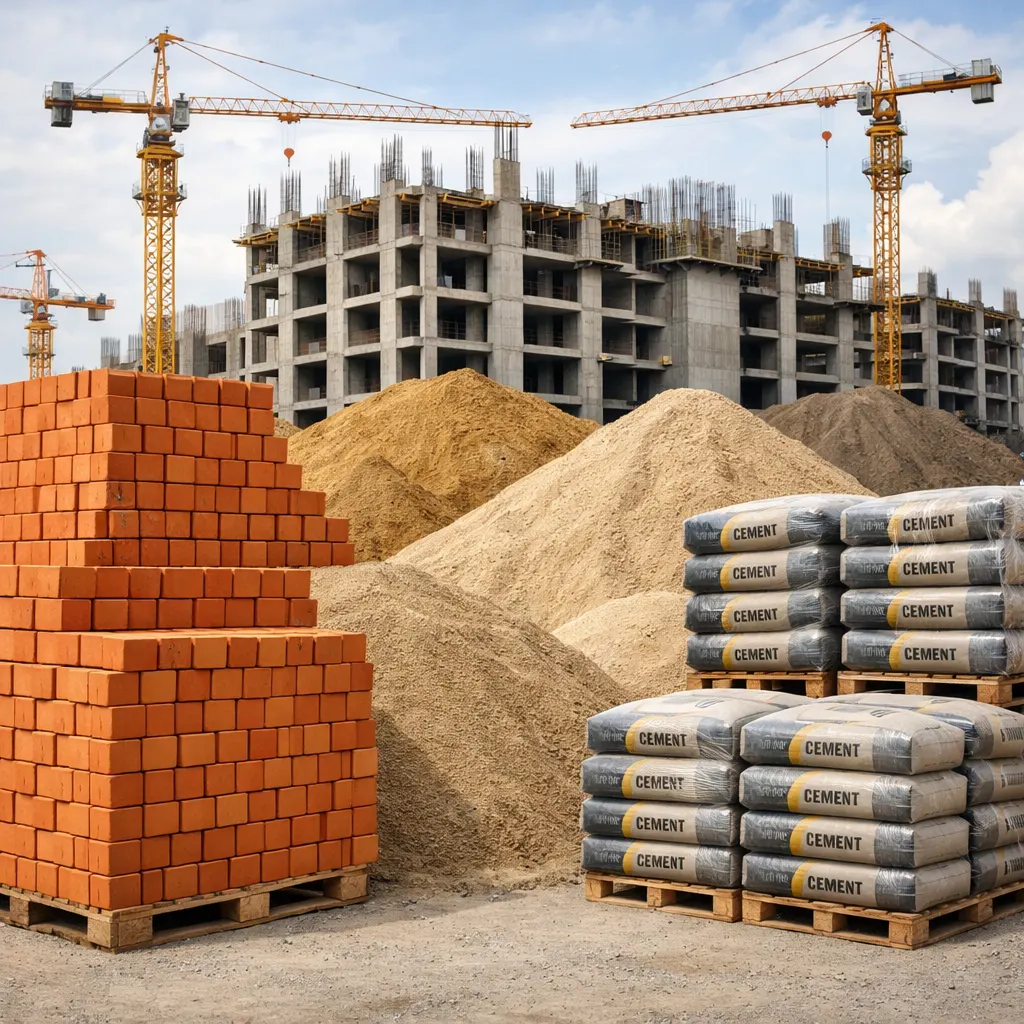
The line isn’t really about who’s buying — it’s about volume, and volume is what unlocks every other difference on this list.
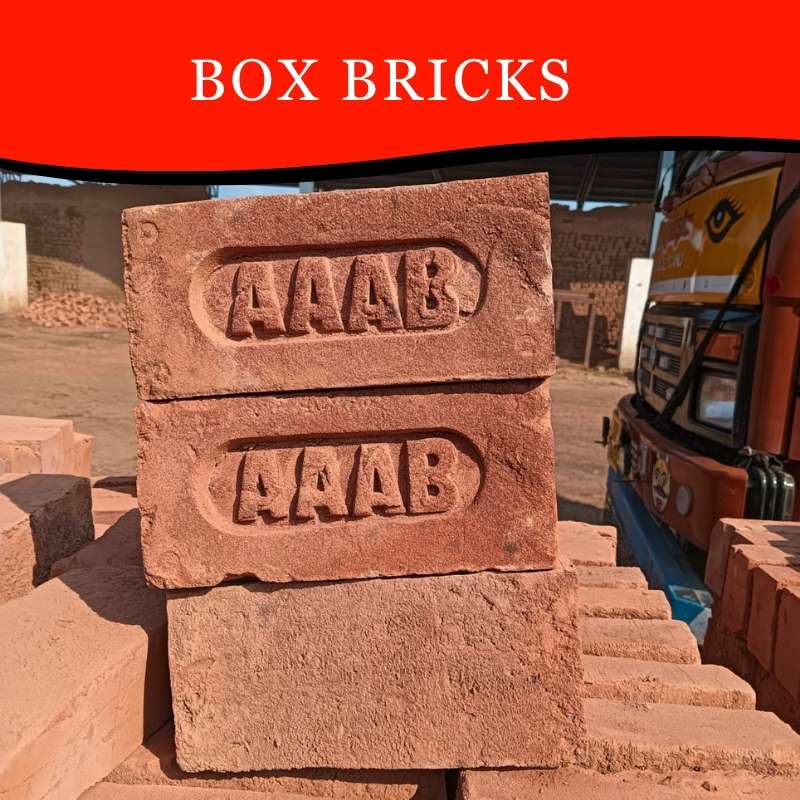
Retail pricing is what you pay buying in small quantities, often as a one-off or for a specific shortfall on-site — a few hundred bricks to finish a wall, a handful of extra AAC blocks after a miscount. Wholesale pricing applies once your order volume crosses a supplier’s bulk threshold, which triggers a lower per-unit rate because the supplier’s logistics, invoicing, and sales effort per rupee of revenue drop sharply at scale. It has nothing to do with whether you’re “in the trade” — a homeowner ordering 2,000 AAC blocks for a full house build gets wholesale pricing just as much as a contractor would.
check current bulk pricing on AAC blocks
How Much Do You Actually Save Buying Wholesale?
The discount is real, but it varies a lot by material — and it’s usually smaller than people expect.
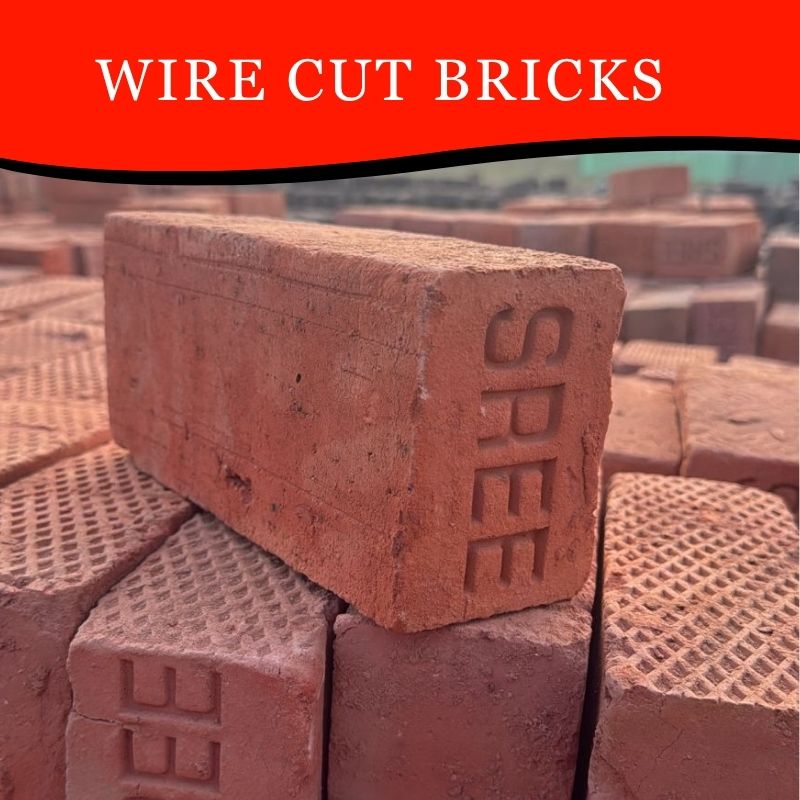
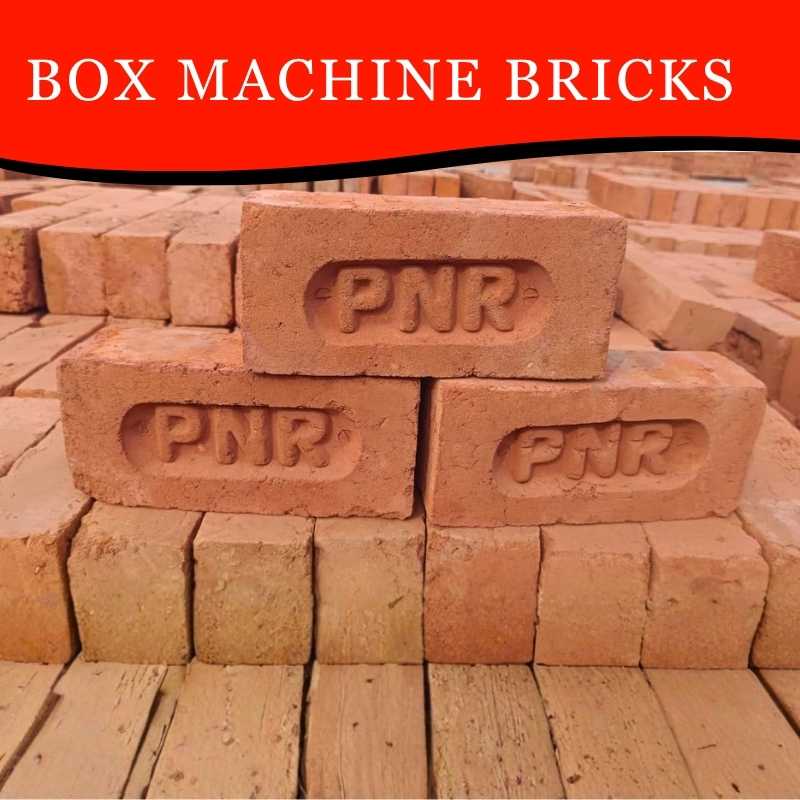
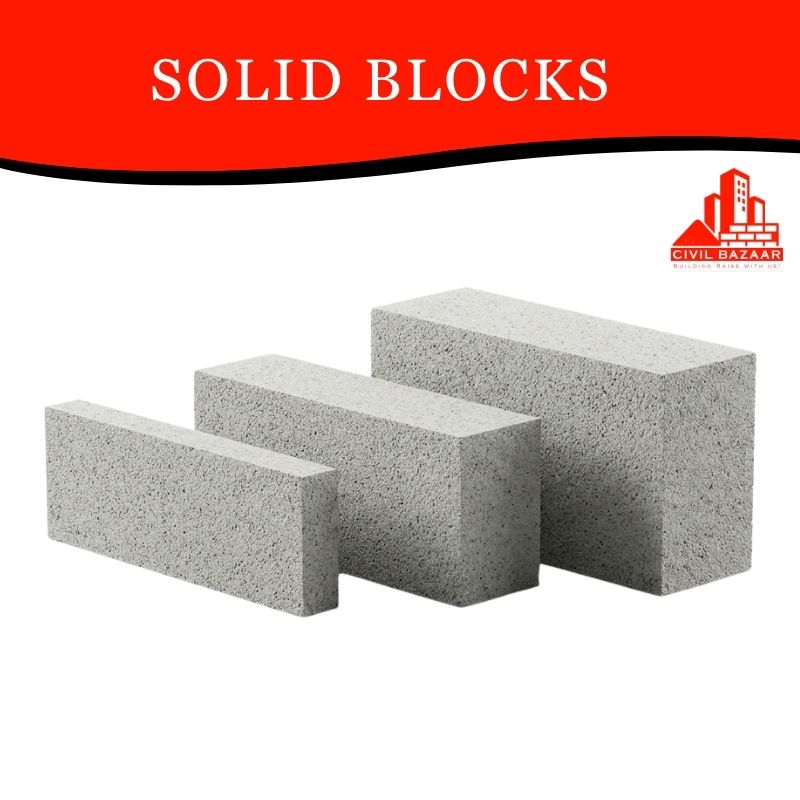
For AAC blocks, bulk orders of 2,000 or more pieces typically run 10–18% cheaper per piece than retail rates. For bricks, bulk orders of 10,000 pieces or more often qualify for a discount of up to around 5% — a much smaller margin than most buyers assume, since brick pricing is already fairly thin at the per-piece level. Steel and roofing sheet categories show some of the widest gaps: wholesale orders above 10 metric tonnes commonly run 10–20% below smaller 1–5 tonne orders, and retail prices for the same roofing sheet products can run 20–40% higher than wholesale rates.
The pattern across categories: the gap tends to widen for materials with higher per-unit value and heavier logistics involved (steel, sheet goods) and narrows for cheap, high-volume commodity items (bricks) where there’s less room to discount without eating into the supplier’s own thin margin.
Minimum Order Quantities: The Real Barrier to Wholesale Pricing
This is the part most pricing guides skip — the discount is only available if you can actually hit the volume threshold, and most individual homeowners can’t, at least not on their own.
Suppliers set MOQs to make bulk pricing viable on their end — AAC block suppliers commonly require a minimum of around 500 blocks for site delivery at all, let alone at bulk rates. A single-storey home partition job might not even need that many. Bulk brick pricing usually kicks in around 10,000 pieces, and bulk steel or roofing rates typically require 5–10 metric tonnes — well beyond what most residential projects consume in one go.
This is exactly why full-house builds and multi-phase projects are where wholesale pricing genuinely pays off, and why chasing wholesale rates for a small repair or top-up job usually isn’t worth the hassle — you’d be buying far more material than you need just to hit the threshold.
GST and Input Tax Credit: The Difference Most Buyers Don’t Notice
This is where wholesale and retail buying diverge in a way that has nothing to do with the sticker price — and it’s the part that actually determines who benefits more from the lower published rate.
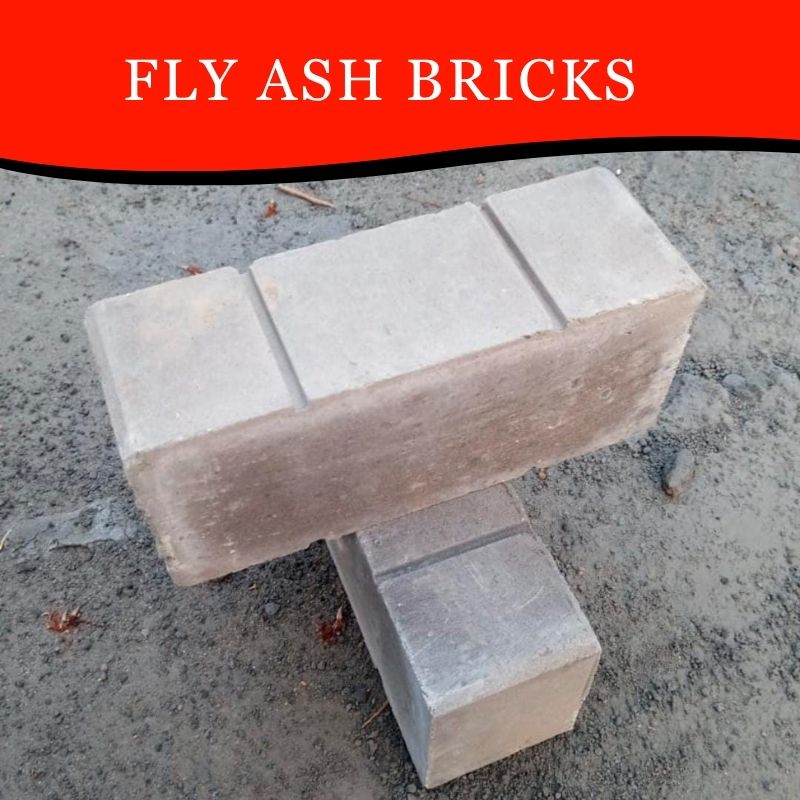
Cement carries 18% GST as of the September 2025 rate rationalisation, down from the earlier 28% slab. Bricks and fly-ash-based AAC blocks (blocks with over 50% fly ash content) sit at 12% GST with Input Tax Credit available, or a 6% composition-style rate for suppliers who opt out of passing ITC through (GharKaBudget, 2026; Site Setu, 2026).
Here’s the part that matters for your actual buying decision: Input Tax Credit only helps you if you’re GST-registered and can claim it against your own output tax — typically a contractor executing a registered works contract. A self-building homeowner usually can’t claim ITC, which means the 12%-with-ITC invoice doesn’t actually save them anything over the 6% no-ITC rate; the tax is baked into the price either way for a non-registered buyer. If you’re a contractor who can claim ITC, always ask suppliers for a GST-compliant invoice with the correct HSN code — it’s a real cost difference for you specifically, even when it makes no difference to a homeowner buying the same material.
What Doesn’t Change Between Wholesale and Retail Wholesale vs Retail Building Material Pricing in Chennai
Quality standards and test certification apply identically regardless of order size — a wholesale order isn’t lower quality, and a retail order isn’t automatically premium.
IS-code compliance (IS 1077 for clay bricks, IS 12894 for fly ash bricks, IS 2185 for AAC blocks) governs the product itself, not the transaction size. Always ask for the batch test certificate whether you’re buying 50 blocks or 5,000 — bulk buyers actually have more leverage to insist on it, since suppliers are more motivated to keep a large account happy.
When Does Retail Actually Make the Most Sense?
Buying retail isn’t just “paying more for the same thing” — it genuinely fits certain situations better than committing to a bulk order.
Retail is the right call when you’re covering a small shortfall — you ran short on the original brick order and need 200 more to finish a wall — or when your total project quantity is genuinely uncertain and you’d rather buy in smaller batches as work progresses than commit capital and storage space to a bulk order upfront. It also avoids the wastage risk that comes with bulk buying: unused material sitting on-site is exposed to weather, theft, and breakage, and any of that erodes the “savings” you got from the bulk rate in the first place.
When Does Wholesale Actually Pay Off?
Wholesale earns its keep on projects where the volume was always going to be there regardless of how you bought it — a full house build, a multi-unit development, or a project running in planned phases where you can forecast total material need upfront.
It also protects you against price volatility. Locking in a bulk rate at the start of a project shields you from mid-project price increases — a real risk given how much material costs have moved with rupee fluctuations, import duties, and raw-material swings over the past few years. For any project where you already know you’ll need 2,000+ AAC blocks or 10,000+ bricks over the build, there’s little reason not to structure the purchase as a bulk order from the start.
How This Plays Out With CivilBazaar
We supply both retail quantities for smaller jobs and top-ups, and bulk orders for full builds — across Padappai, OMR, Tambaram, Sriperumbudur, and the rest of our Chennai delivery zones. If you’re not sure which side of the MOQ threshold your project falls on, send us your rough quantity and we’ll tell you honestly whether bulk pricing is worth structuring your order around, or whether retail is the more practical route for what you’re building.
Frequently Asked Questions
How much cheaper is wholesale building material pricing in Chennai?
It depends heavily on the material. AAC blocks typically run 10–18% cheaper at 2,000+ pieces, bricks around 5% at 10,000+ pieces, and steel or roofing sheets 10–20% cheaper above 10 metric tonnes compared to smaller orders.
What’s the minimum order to get wholesale pricing on building materials?
It varies by material: roughly 500 pieces for AAC blocks, 10,000 pieces for bricks, and 5–10 metric tonnes for steel or roofing sheets. Below these thresholds, you’re generally buying at retail rates regardless of who you are.
Does GST make wholesale buying cheaper for homeowners?
Not usually. Input Tax Credit on the 12%-with-ITC rate only benefits GST-registered buyers who can claim it against their own output tax — typically contractors on registered works contracts. A self-building homeowner generally can’t claim ITC, so the published rate applies either way.
Is wholesale material lower quality than retail?
No — IS-code compliance and quality standards apply the same way regardless of order size. Always ask for the batch test certificate whichever way you’re buying; it’s a supplier practice, not a function of quantity.
Should I buy wholesale even if I’m not sure of my exact quantity?
Generally no. Wholesale pricing works best when you have a reasonably firm total quantity in mind — buying more than you need just to hit a bulk threshold usually costs more in storage risk and wastage than it saves on the per-unit rate.


