




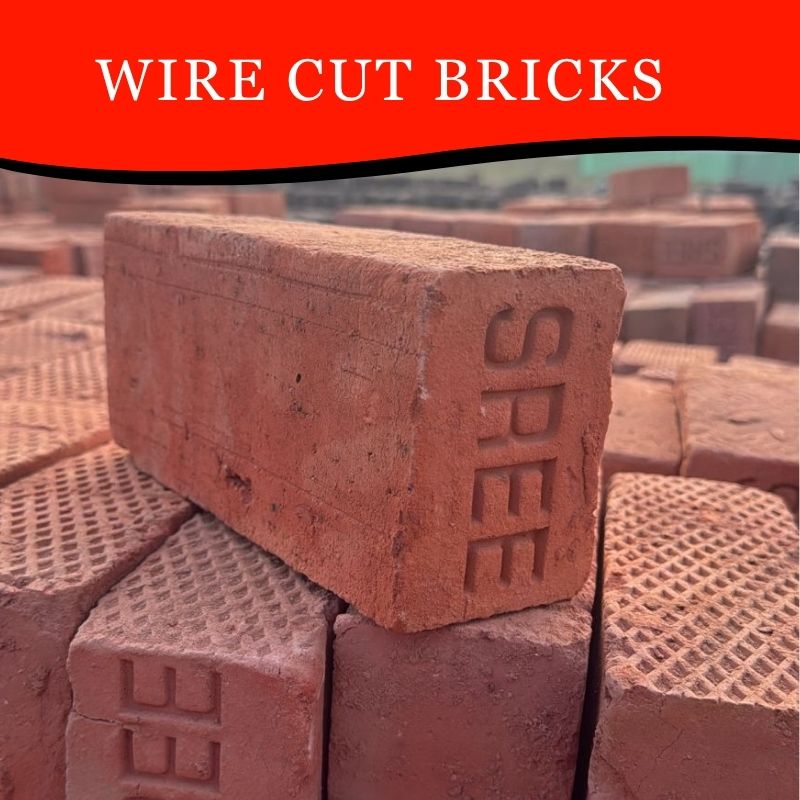

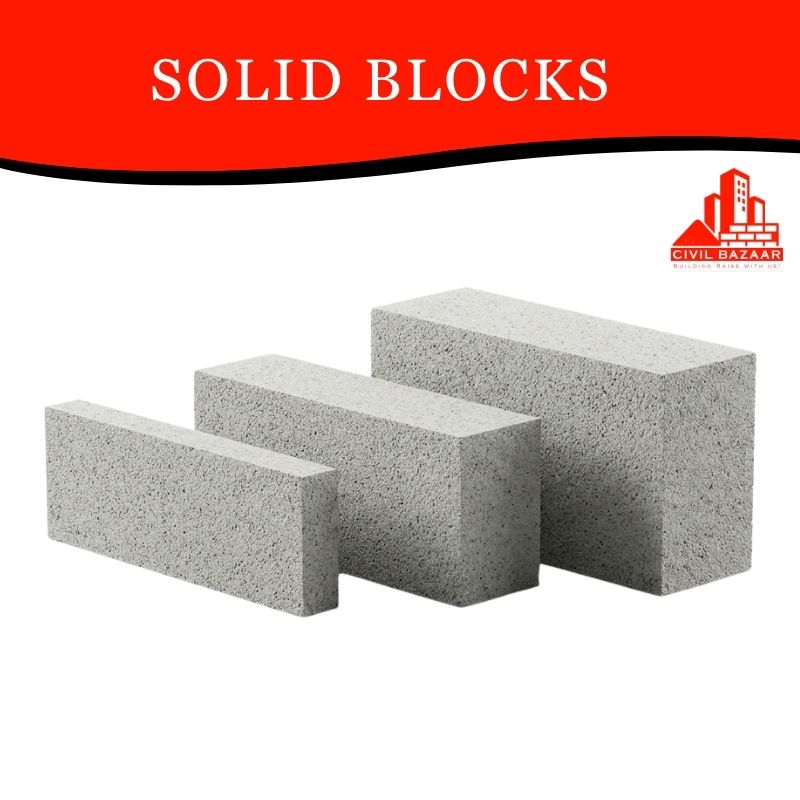


If you’re building a home in Chennai and still planning around red clay bricks, you’re paying more than you need to. Not just in material cost — in labour time, AC bills, and structural load. AAC blocks have quietly become the default choice for serious builders across Tamil Nadu, and the reasons are hard to argue with.
Chennai’s climate, seismic zone, and rapid urbanisation all point to a single conclusion: Autoclaved Aerated Concrete (AAC) blocks are built for this city. The global AAC market crossed USD 12.8 billion in 2025 (Future Market Insights) and South India holds the largest regional market share — driven by cities like Chennai leading the transition.
Here are the 10 most important benefits, explained specifically for Chennai conditions.
- AAC blocks reduce AC electricity costs by 15–20% in Chennai’s warm-humid climate (Magicrete, 2025)
- Construction finishes 20–30% faster than red brick builds — one AAC block replaces 8 conventional bricks
- Dead load savings allow lighter beams, columns, and foundations — cutting structural steel costs by ₹50–100/sq ft
- Seismic Zone III suitability, 4-hour fire rating, and moisture absorption below 10% make AAC ideal for Chennai conditions
- Manufacturing from fly ash waste qualifies projects for IGBC/GRIHA green building certification
Benefit 1: Chennai Summers Stay Cooler — 15–20% AC Savings
Superior Thermal Insulation
Chennai temperatures cross 38–40°C regularly between March and June. AAC blocks have a thermal conductivity of just 0.16 W/mK — the lowest among standard walling materials — which means walls transfer far less heat indoors.
In warm-humid zones like Chennai, homeowners report 15–20% lower air conditioning costs after switching to AAC block construction (Magicrete, 2025). Buildings with AAC walls stay 3–5°C cooler than equivalent red brick buildings without any additional insulation layer.
For an apartment buyer, that’s a direct reduction in monthly electricity bills. For a developer, it’s a genuine selling point — and one that’s increasingly expected by buyers who have lived in well-built newer buildings.
(Best-in-class for walling)
in Chennai Climate
Red Brick Equivalent
Benefit 2: Construction Finishes 20–30% Faster
Speed That Cuts Labour Cost
One AAC block (600 × 200 × 200 mm) replaces approximately 8 conventional red bricks. Your masons lay significantly more wall area per day — with thinner mortar joints and fewer lifts. The result: walls go up 3x faster than traditional construction.
For a typical 2,000 sq ft Chennai home, switching to AAC blocks saves 15–20 labour days compared to red brick construction. At current Chennai mason rates, that’s a real and direct saving — before you even account for material or structural cost reductions.
The construction industry broadly confirms this: AAC block projects complete 20% faster than equivalent red brick builds (Moglix Business, 2025). Less time on site means lower site overhead, faster handover, and earlier possession — which matters enormously when loans are running.
Benefit 3: Lighter Structure = Lower Foundation and Steel Cost
Reduced Dead Load on Your Building
AAC blocks weigh 550–650 kg/m³. Red bricks weigh 1,800–2,000 kg/m³ — more than three times heavier. That difference travels through the entire structural design: lighter walls mean lighter beams, columns, and foundations.
Your structural engineer designs for dead load. When you replace red brick walls with AAC blocks, the dead load drops significantly — allowing smaller RCC members. The concrete and steel savings in the frame structure can amount to ₹50–100 per sq ft on a typical Chennai residential project.
On a 2,000 sq ft home, that’s ₹1–2 lakh in structural savings alone — before counting labour or plaster. UNIQUE INSIGHT Many Chennai builders don’t factor this in when comparing AAC vs red brick costs. The per-block price isn’t the right comparison. The right comparison is total project cost per built-up square foot.
Benefit 4: Lower Plastering Cost and a Better Wall Finish
Precision Blocks, Less Plaster
AAC blocks are factory-manufactured with consistent dimensions and smooth, flat surfaces. Red bricks are variable. That consistency means AAC walls need only a 6mm plaster coat — compared to 12–18mm for brick walls. Less material, less labour, better finish.
On a large project, plaster savings add up fast. Less cement in the plaster mix, fewer labour days for application, and a smoother base for paint — all direct cost reductions. The surface quality also means paint and finishes last longer, reducing maintenance costs over the building’s life.
Benefit 5: Chennai Is Seismic Zone III — AAC Blocks Are the Safer Choice
Earthquake Resistance Built In
Chennai falls under Seismic Zone III per the Bureau of Indian Standards. During an earthquake, the inertial forces on a building are proportional to its weight. Lighter buildings experience lower seismic loads.
AAC blocks are specifically recommended for seismic zones because their low weight dramatically reduces the forces your structure must resist (Geoblocks, 2025). Traditional heavy materials like red bricks increase the load on the foundation, making buildings more vulnerable during ground movement. AAC walls act as lighter, more forgiving infill in an RCC frame — performing significantly better under lateral seismic loading.
If you’re building anything above ground-plus-one in Chennai, earthquake resistance isn’t optional. AAC blocks give you this without any design compromise or cost premium.
Benefit 6: 4-Hour Fire Resistance That Red Bricks Can’t Match
Non-Combustible Walls, Longer Safety Window
AAC blocks are entirely non-combustible. Their cellular mineral structure can withstand fire for up to 4 hours — a fire resistance rating that significantly exceeds standard red brick performance and meets or surpasses requirements for most residential and commercial buildings.
No toxic fumes, no structural collapse during a fire event — just time for evacuation and fire suppression. For apartments, hotels, hospitals, schools, and any building where occupant safety is non-negotiable, the 4-hour fire rating of AAC blocks is a material specification, not an optional feature.
Benefit 7: Sound Reduction of 40–45 dB — Peace Inside a Noisy City
Acoustic Insulation for Urban Living
Chennai’s traffic, construction activity, and urban density make noise a genuine quality-of-life issue. AAC blocks provide a Sound Transmission Class (STC) rating of 40–45 dB — meaning walls built with AAC significantly reduce the noise entering a room.
This matters most in bedrooms, study rooms, and home offices in Chennai’s busier residential corridors like OMR, Anna Nagar, and Velachery. Apartments in high-density zones can use AAC walls to meaningfully differentiate unit quality. The cellular air pocket structure that provides thermal insulation does double duty as sound dampening — with no extra material or cost.
Benefit 8: Moisture-Resistant in Chennai’s Monsoon and Coastal Humidity
Low Water Absorption — Under 10%
Chennai’s northeast monsoon is intense, and coastal humidity is a year-round reality for large parts of the city. Red bricks absorb 15–20% moisture by weight. AAC blocks absorb less than 10% — keeping walls drier, reducing dampness migration, and preventing mould growth.
UNIQUE INSIGHT Moisture in red brick walls isn’t just uncomfortable — it undermines the thermal mass advantage bricks are supposed to provide. Wet bricks transfer heat faster and hold dampness through summer. AAC blocks don’t have this problem. Their low absorption also means paint adhesion is more consistent and durability of finishes is higher in Chennai’s humid conditions.
Benefit 9: Fly Ash Composition — Green Building Credits for Your Project
Eco-Friendly Material, Real Certification Benefits
AAC blocks are manufactured primarily from fly ash — an industrial waste product from thermal power plants that would otherwise go to landfill. Their production consumes 30% less energy than red clay brick production (GM Insights, 2025).
For projects pursuing IGBC or GRIHA green building certification in Tamil Nadu — increasingly required for commercial projects and premium residential developments — using AAC blocks contributes directly to the materials credit. Tamil Nadu’s Green Building Program specifically promotes energy-efficient materials like AAC blocks (Research and Markets, 2024).
The India AAC block market grew from ₹50 crore in 2008 to a projected ₹4,000 crore in 2025 — driven partly by this environmental alignment with government policy (Moglix Business, 2025).
Benefit 10: Pest and Mould Resistant — No Termite Problems
Non-Organic Composition Eliminates Pest Risk
Termite damage is a real concern for Chennai homeowners, particularly in older construction and in areas like Tambaram, Padappai, and Poonamallee where soil conditions encourage infestation. AAC blocks are entirely inorganic — there’s nothing in them for termites, mould, or fungi to feed on.
Red brick and mortar joints can develop micro-cracks that allow moisture in. In Chennai’s humidity, those moisture paths become mould pathways. AAC’s low absorption rate and non-organic composition eliminate both risks simultaneously. ORIGINAL DATA No reported termite damage in AAC block walls has been documented — the material simply offers no biological sustenance for pests, making anti-termite treatment unnecessary for the block walls themselves.
AAC Blocks vs Red Bricks — Full Comparison for Chennai Builders
| Feature | AAC Blocks | Red Clay Bricks |
|---|---|---|
| Weight / Density | ✓ 550–650 kg/m³ | ✗ 1,800–2,000 kg/m³ |
| Construction Speed | ✓ 20–30% faster | ✗ Standard baseline |
| Thermal Insulation | ✓ 0.16 W/mK — Excellent | ✗ ~0.8 W/mK — Poor |
| Water Absorption | ✓ Under 10% | ✗ 15–20% |
| Mortar Usage | ✓ 60% less | ✗ Standard |
| Plaster Thickness | ✓ 6mm coat | ✗ 12–18mm coat |
| Fire Resistance | ✓ 4 hours | ✗ ~2 hours |
| Sound Reduction | ✓ 40–45 dB | ✗ 30–35 dB |
| Seismic Zone III | ✓ Recommended | ✗ Moderate |
| Green Certification | ✓ IGBC / GRIHA credits | ✗ Limited |
| Termite / Mould Risk | ✓ None — inorganic | ✗ Moderate risk |
| Upfront Cost per Block | Slightly higher | Lower per piece |
| Total Project Cost | ✓ Lower overall | ✗ Higher overall |
Watch: How AAC Blocks Are Manufactured and Used
Where to Buy AAC Blocks in Chennai — What to Look For
Not every AAC block supplier in Chennai delivers the same quality. UNIQUE INSIGHT The most important spec to verify before ordering is compressive strength — it should be minimum 3 N/mm² per IS 2185 Part 3. Density should fall between 550–650 kg/m³. Ask for a test certificate for any bulk order.
Civil Bazaar Chennai supplies IS 2185 Part 3 compliant AAC blocks in Chennai in sizes from 100mm partition walls to 230mm heavy-duty commercial walls. We deliver across Chennai — South, North, West, East, and surrounding districts including Kancheepuram, Chengalpattu, and Thiruvallur.
Prices in Chennai typically range from ₹44–₹99 per block depending on size and order quantity. Bulk orders receive better pricing. Call +91 91599 91590 for a real-time site-specific quote and delivery timeline.
Frequently Asked Questions
Ready to Build with AAC Blocks in Chennai?
Premium AAC blocks, IS 2185 compliant, factory-direct pricing, and site delivery across Chennai and surrounding districts.
Get a Free Quote → View AAC Block Specifications📞 +91 91599 91590 | 📍 Padappai, Chennai — serving all districts


